Embark on a journey into the world of Corporate asset management solutions, where efficiency meets profitability in a seamless blend of technology and strategy.
Explore the intricacies of managing assets in a corporate setting and uncover the key elements that drive success in this dynamic field.
Corporate asset management solutions
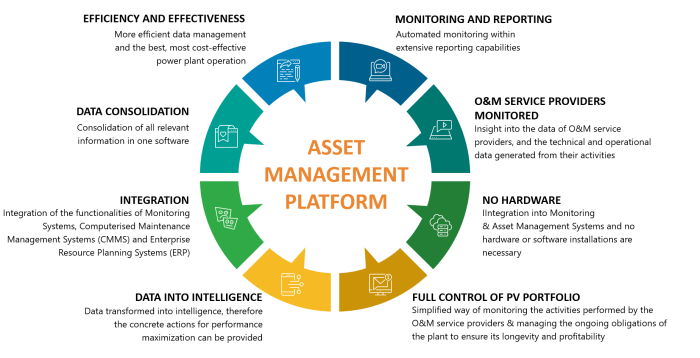
Corporate asset management involves the process of tracking and maintaining a company’s physical assets to maximize their value and minimize risks. This includes managing assets such as equipment, machinery, vehicles, and property.
Popular corporate asset management software
There are several popular corporate asset management software solutions available in the market, including:
- IBM Maximo: A comprehensive asset management software that helps organizations manage their assets efficiently.
- SAP EAM (Enterprise Asset Management): Offers a range of tools for asset management, maintenance, and planning.
- Infor EAM: Provides a scalable solution for asset management, maintenance, and compliance.
Benefits of implementing asset management solutions in a corporate setting
Implementing asset management solutions in a corporate setting can offer various benefits, such as:
- Improved asset utilization and performance
- Reduced downtime and maintenance costs
- Enhanced decision-making through data-driven insights
- Streamlined compliance and risk management
Key features to look for in corporate asset management solutions
When choosing a corporate asset management solution, it is essential to consider the following key features:
- Asset tracking and inventory management
- Maintenance scheduling and predictive maintenance capabilities
- Integration with IoT devices for real-time asset monitoring
- Comprehensive reporting and analytics tools
Asset management in business
Asset management in business refers to the systematic process of managing a company’s physical assets to ensure optimal utilization, maintenance, and performance. It involves tracking, maintaining, and upgrading assets to maximize their value and minimize risks.
Importance of Asset Management
Effective asset management is crucial for businesses as it helps in maintaining accurate records of assets, reducing downtime, improving productivity, and enhancing operational efficiency. By having a clear understanding of their assets, companies can make informed decisions to optimize their resources and achieve business objectives.
- Asset management contributes to overall business efficiency by streamlining processes, reducing operational costs, and improving asset performance.
- It enables businesses to prioritize asset maintenance and replacement based on criticality and usage, leading to extended asset lifecycles and reduced downtime.
- Modern digital solutions provide real-time data insights, predictive maintenance capabilities, and automation tools that enhance asset monitoring, decision-making, and compliance.
Cost Reduction and ROI Maximization through Asset Management
Effective asset management plays a vital role in cost reduction and maximizing return on investment (ROI) for businesses. By strategically managing assets, companies can minimize unnecessary expenses, optimize resource allocation, and improve operational efficiency to achieve higher profitability.
- Traditional asset management methods often involve manual processes, paper-based documentation, and reactive maintenance practices that can lead to inefficiencies, increased costs, and missed opportunities for optimization.
- Modern digital solutions offer advanced analytics, remote monitoring capabilities, and predictive maintenance tools that enable proactive asset management, cost-effective decision-making, and improved asset performance.
- By leveraging asset management practices, businesses can enhance asset utilization, reduce maintenance expenses, minimize downtime, and increase overall profitability by maximizing the value of their assets.
In conclusion, Corporate asset management solutions offer a comprehensive approach to optimizing resources, enhancing productivity, and achieving sustainable growth in the corporate landscape.
FAQ Compilation
What exactly is corporate asset management?
Corporate asset management involves strategies and processes for effectively managing a company’s assets to maximize value and minimize risks.
How do asset management solutions contribute to business efficiency?
Asset management solutions streamline processes, improve resource allocation, and enhance decision-making, all leading to increased operational efficiency.
What are the key features to look for in corporate asset management software?
Key features include robust tracking capabilities, integration with existing systems, customizable reporting, and scalability to accommodate business growth.


