In the realm of finance, Multi-asset management solutions play a crucial role in shaping investment strategies and maximizing returns. This comprehensive guide delves into the intricacies of asset management, allocation, diversification, and the impact of technology, offering valuable insights for investors and financial professionals alike.
Asset Management
Asset management is a crucial aspect of multi-asset management solutions, involving the strategic management of various assets to achieve specific financial goals. It encompasses a range of activities aimed at maximizing returns while minimizing risks associated with investment portfolios.
Key Components of Asset Management
- Asset Allocation: Determining the optimal mix of assets based on factors such as risk tolerance, investment objectives, and market conditions.
- Portfolio Diversification: Spreading investments across different asset classes to reduce overall risk exposure.
- Risk Management: Implementing strategies to mitigate potential risks and protect against market volatility.
- Performance Monitoring: Regularly evaluating the performance of assets and making adjustments as needed to optimize portfolio returns.
Importance of Asset Management
Asset management plays a vital role in optimizing investment portfolios by ensuring a balanced and diversified approach to wealth management. By strategically allocating assets and actively monitoring performance, investors can enhance returns while managing risks effectively. Additionally, asset management helps individuals and organizations align their investments with their financial goals and objectives, leading to long-term financial stability and growth.
Asset Allocation
Asset allocation is the strategic distribution of investments across various asset classes such as stocks, bonds, real estate, and cash equivalents to achieve a balance between risk and return in an investment portfolio.
Different Asset Allocation Models
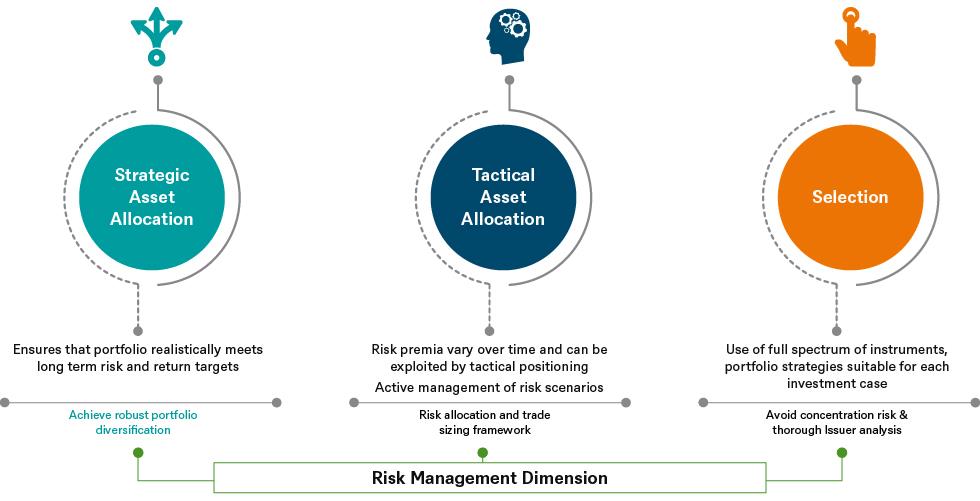
- The strategic asset allocation model involves setting target allocations for various asset classes based on the investor’s financial goals and risk tolerance.
- The tactical asset allocation model involves making short-term adjustments to the portfolio based on market conditions and economic outlook.
- The dynamic asset allocation model combines elements of both strategic and tactical asset allocation to adapt to changing market conditions while staying aligned with long-term goals.
Process of Asset Allocation and Risk Management
Asset allocation begins with assessing the investor’s risk tolerance, time horizon, and financial goals. The portfolio is then diversified across different asset classes to spread risk and maximize returns. By allocating assets strategically, investors can mitigate risks associated with market volatility and fluctuations in specific asset classes.
Types of Assets
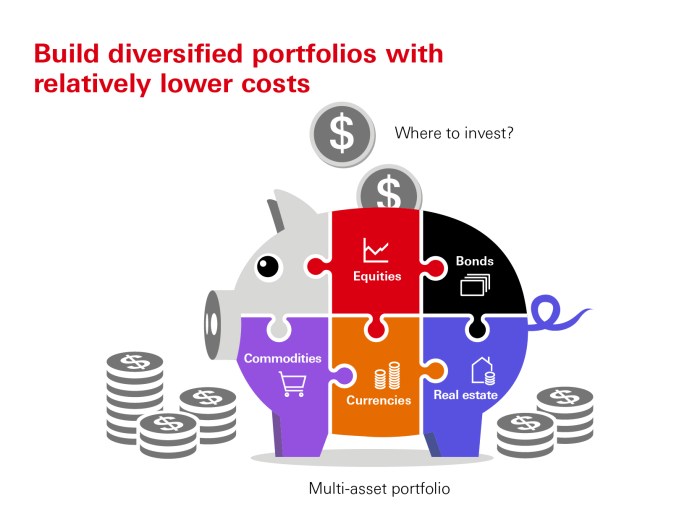
When it comes to multi-asset management solutions, it is crucial to understand the different types of assets that can be included in a portfolio. Diversifying across various asset classes can help manage risk and potentially enhance overall portfolio performance.
Equities
- Equities, also known as stocks, represent ownership in a company. They offer potential for high returns but come with higher volatility and risk.
- Examples include shares of publicly traded companies like Apple, Google, or Amazon.
Bonds
- Bonds are debt securities issued by governments or corporations. They provide regular interest payments and are generally considered lower risk compared to equities.
- Examples include U.S. Treasury bonds, corporate bonds, and municipal bonds.
Real Estate
- Real estate investments involve owning physical property or investing in real estate investment trusts (REITs). They can provide income through rent and potential appreciation in property value.
- Examples include residential properties, commercial buildings, and REITs focused on shopping malls or office spaces.
Commodities
- Commodities are raw materials or primary agricultural products that can be bought and sold. They can serve as a hedge against inflation and provide diversification benefits.
- Examples include gold, silver, oil, corn, and coffee.
Alternative Investments
- Alternative investments cover a wide range of assets beyond traditional stocks and bonds. They can include hedge funds, private equity, real assets, and cryptocurrencies.
- Examples include venture capital investments, art collections, and Bitcoin.
Multi-Asset Management Strategies
Investors often turn to multi-asset management strategies to achieve diversification and manage risk effectively across different asset classes. These strategies involve allocating investments in a mix of assets such as equities, fixed income, real estate, commodities, and alternative investments. Let’s explore some common strategies employed in multi-asset management solutions and the benefits of implementing a diversified approach.
Diversification Benefits
Diversification is a key principle in multi-asset management strategies. By spreading investments across various asset classes, investors can reduce the overall risk of their portfolio. Market fluctuations affecting one asset class may not have the same impact on others, helping to mitigate losses and potentially enhance returns over the long term. Asset allocation plays a crucial role in achieving diversification, as it determines the percentage of each asset class in the portfolio.
- Lower volatility: Diversification can help smooth out the ups and downs in portfolio performance, reducing overall volatility.
- Enhanced risk-adjusted returns: By combining assets with low correlation, investors can potentially improve the risk-return profile of their portfolio.
- Increased opportunities: Exposure to a broader range of asset classes can provide access to different investment opportunities and potentially higher returns.
Dynamic Asset Allocation
Dynamic asset allocation is a strategy used in multi-asset management to adjust the portfolio’s asset mix in response to changing market conditions. This approach involves actively monitoring market trends, economic indicators, and asset class performance to make timely adjustments to the portfolio allocation. By shifting investments between asset classes based on market outlook and risk assessments, investors can capitalize on opportunities and manage risks effectively.
- Adaptability: Dynamic asset allocation allows investors to respond to changing market conditions and capitalize on emerging trends.
- Risk management: By actively managing the portfolio allocation, investors can potentially reduce downside risk during market downturns.
- Optimized returns: Adjusting the asset mix based on market dynamics can help improve the portfolio’s overall performance and enhance returns.
Technology in Asset Management
The role of technology in asset management has become increasingly crucial in enhancing processes, optimizing portfolios, and improving efficiency in allocation and monitoring. Automation tools, artificial intelligence (AI), and machine learning have revolutionized the way assets are managed and allocated in the financial industry.
AI and Machine Learning in Multi-Asset Portfolios
AI and machine learning technologies play a significant role in optimizing multi-asset portfolios. These advanced tools can analyze vast amounts of data, identify patterns, and make real-time decisions to adjust asset allocations accordingly. By leveraging AI and machine learning, asset managers can achieve a higher level of precision and efficiency in managing multi-asset portfolios.
Automation Tools for Asset Allocation and Monitoring
Automation tools streamline the asset allocation process by automating repetitive tasks, reducing manual errors, and increasing the speed of decision-making. These tools can help asset managers allocate assets more effectively based on predefined criteria and risk parameters. Additionally, automation tools enhance monitoring capabilities by providing real-time updates on portfolio performance, enabling timely adjustments to meet investment objectives.
As we wrap up our exploration of Multi-asset management solutions, it’s evident that a well-rounded approach is key to success in today’s dynamic market landscape. By leveraging diverse asset classes, strategic allocation models, and cutting-edge technology, investors can navigate challenges and seize opportunities with confidence.
General Inquiries
What is the significance of asset management in multi-asset solutions?
Asset management is crucial for optimizing investment portfolios by strategically allocating resources across various asset classes.
How does diversifying asset types enhance portfolio performance?
Diversification helps mitigate risk and improve overall portfolio stability by spreading investments across different asset classes.
What role does technology play in asset management processes?
Technology enhances efficiency in asset allocation and monitoring, with tools like AI and automation revolutionizing portfolio management.


