With Asset management for family offices at the forefront, this paragraph opens a window to an amazing start and intrigue, inviting readers to embark on a storytelling journey filled with unexpected twists and insights. Asset management plays a crucial role in the financial success of family offices, offering tailored strategies to navigate the complexities of wealth management.
As we delve into the nuances of asset management for family offices, we uncover the key differences from traditional approaches and explore the significance of personalized strategies in achieving long-term prosperity.
Asset Management for Family Offices
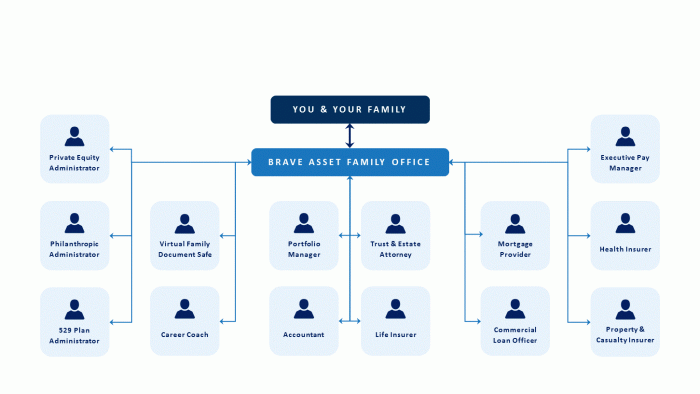
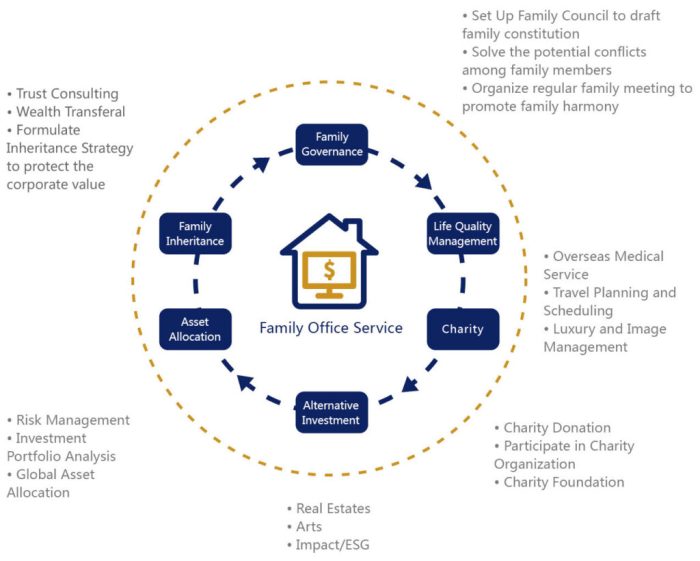
Asset management in the context of family offices involves the professional management of a family’s wealth and investments to achieve specific financial goals and objectives. This includes overseeing a diverse portfolio of assets such as stocks, bonds, real estate, and alternative investments.Tailored asset management strategies are crucial for family offices due to the unique needs and preferences of each family.
Unlike traditional asset management, which focuses on maximizing returns for a broad range of clients, asset management for family offices takes into account the family’s values, legacy, risk tolerance, and long-term objectives.
Key Differences between Traditional Asset Management and Asset Management for Family Offices
- Personalized Approach: Asset management for family offices offers a personalized approach to investing that considers the specific goals and values of the family.
- Long-Term Perspective: Family offices often have a multi-generational perspective, leading to a focus on wealth preservation and intergenerational wealth transfer.
- Complexity of Assets: Family offices may have a more complex asset mix, including direct investments in private companies, real estate, and family-owned businesses.
- Emphasis on Governance: Family offices often place a strong emphasis on governance structures and policies to ensure effective decision-making and risk management.
Asset Allocation
Asset allocation is the process of dividing an investment portfolio among different asset classes such as stocks, bonds, real estate, and cash equivalents. It is a crucial aspect of managing investment portfolios as it helps in achieving the desired risk-return profile based on the investor’s goals, time horizon, and risk tolerance.
Common Asset Classes
- Stocks: Represent ownership in a company and offer the potential for capital appreciation.
- Bonds: Debt securities issued by governments or corporations, providing regular interest payments and return of principal at maturity.
- Real Estate: Investments in physical properties such as residential, commercial, or industrial real estate.
- Cash Equivalents: Highly liquid and low-risk assets like treasury bills, certificates of deposit, and money market funds.
Diversification is the practice of spreading investments across different asset classes to reduce risk.
Diversification in Asset Allocation
Diversification plays a vital role in asset allocation strategies for family offices by minimizing the impact of negative performance in any single asset class. By spreading investments across various assets, family offices can potentially enhance returns while reducing overall portfolio risk. This approach helps in protecting the portfolio from the volatility of a specific asset class and provides a more stable and consistent long-term investment performance.
In conclusion, asset management for family offices is a specialized field that demands attention to detail and a deep understanding of individual financial goals. By crafting customized solutions and embracing diversification, family offices can secure a strong financial foundation for generations to come.
Questions and Answers
What sets asset management for family offices apart?
Asset management for family offices focuses on creating tailored strategies that align with the unique needs and goals of wealthy families, distinguishing it from traditional approaches.
How important is diversification in asset allocation for family offices?
Diversification plays a vital role in mitigating risks and enhancing returns for family offices, ensuring a well-rounded investment portfolio.


