
Embark on a journey through the realm of Fixed income asset management, exploring its nuances and strategies to optimize returns and mitigate risks in investment portfolios.
Delve into the world of fixed income securities and asset management principles to uncover the keys to financial success.
Fixed Income Asset Management
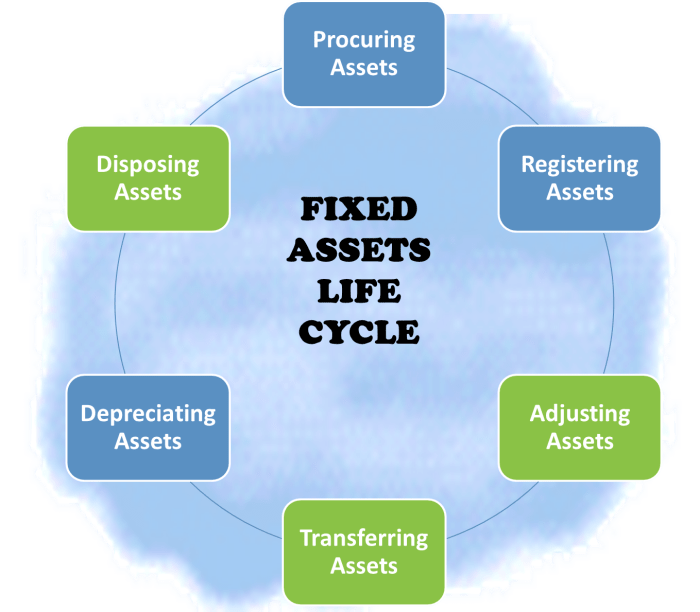
Fixed income asset management involves the professional management of investment portfolios that primarily consist of fixed income securities. These securities typically pay a set amount of interest at regular intervals and return the principal amount at maturity.
Importance of Fixed Income Assets
Fixed income assets play a crucial role in an investment portfolio by providing stability, income, and diversification. They are considered less volatile than equities, making them a reliable source of income for investors, especially during periods of market uncertainty.
- Government Bonds: These are debt securities issued by governments to raise capital. They are considered low-risk investments and typically offer fixed interest payments.
- Corporate Bonds: These are debt securities issued by corporations to raise funds for various purposes. They offer higher yields compared to government bonds but come with a higher level of risk.
- Municipal Bonds: These are debt securities issued by state and local governments to fund public projects. They offer tax advantages and are relatively safe investments.
- Mortgage-Backed Securities (MBS): These are securities backed by a pool of mortgages. They provide investors with exposure to the real estate market and offer regular interest payments.
Asset Management
Asset management involves the professional management of various investments by individuals or institutions to achieve specific financial goals. This process includes making decisions about buying, selling, and holding assets to maximize returns while managing risks.
Comparison with Other Investment Strategies
Asset management differs from other investment strategies such as mutual funds or hedge funds in terms of customization and control. While mutual funds pool money from multiple investors to invest in a diversified portfolio managed by professionals, asset management offers more personalized portfolios tailored to individual needs and goals. Hedge funds, on the other hand, often involve higher risk and are typically only available to accredited investors.
Objectives of Asset Management
- Preservation of Wealth: One of the primary objectives of asset management is to preserve and protect the wealth of clients by making strategic investment decisions that minimize risks.
- Wealth Creation: Asset managers aim to generate returns on investments to grow the wealth of their clients over time through careful selection and management of assets.
- Income Generation: Another key objective is to provide a steady income stream for clients through investments in fixed income securities or dividend-paying stocks.
Asset Allocation
Asset allocation is a crucial concept in portfolio management that involves distributing investments among different asset classes to achieve a balance between risk and return.
Different Asset Classes
- Equities: Represent ownership in a company and offer potential for high returns but come with higher risk.
- Fixed Income: Includes bonds and other debt securities that provide steady income with lower risk compared to equities.
- Real Estate: Involves investments in physical properties to generate rental income and appreciation over time.
- Commodities: Include raw materials such as gold, oil, and agricultural products that can serve as a hedge against inflation.
Significance of Asset Allocation
Asset allocation plays a crucial role in risk management and diversification by spreading investments across different asset classes. By diversifying, investors can reduce the impact of market fluctuations on their overall portfolio performance.
“Asset allocation is like a recipe where you mix different ingredients to create a well-balanced dish that suits your taste and preferences.”
In conclusion, Fixed income asset management emerges as a crucial component in building a robust and diversified investment portfolio, offering stability and growth potential for savvy investors.
Q&A
What is the primary goal of fixed income asset management?
Fixed income asset management aims to optimize investment returns by strategically managing fixed income securities within an investment portfolio.
How do fixed income assets contribute to portfolio diversification?
Fixed income assets provide stability and income generation, balancing the risk associated with other asset classes like equities.
Can asset allocation strategies impact overall investment performance?
Yes, effective asset allocation can enhance risk management and optimize returns by diversifying investments across various asset classes.


