
Exploring the world of Global macro asset management, this introduction sets the stage for a deep dive into its importance and complexities, offering a captivating narrative that sparks curiosity and interest right from the start.
Providing insight into the fundamental concepts and practical applications of global macro asset management, this overview aims to shed light on its significance in the financial landscape.
Global macro asset management
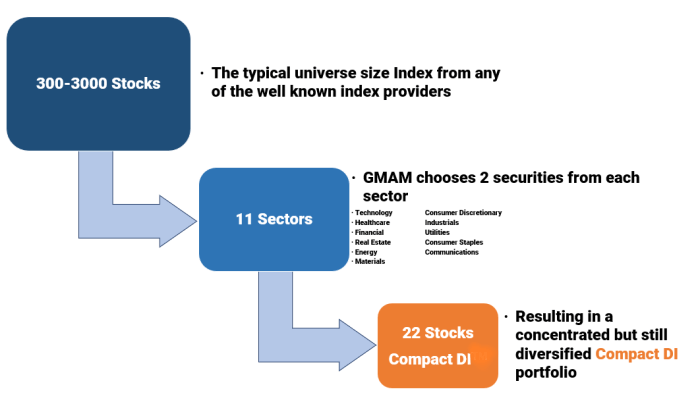
Global macro asset management is a strategy used in the financial industry to make investment decisions based on the analysis of global economic and political trends. This approach focuses on understanding how these macroeconomic factors impact asset prices and seeks to take advantage of opportunities that arise from such trends.
Key Principles and Strategies
- Macro Analysis: Global macro asset managers analyze various macroeconomic indicators such as GDP growth, inflation rates, interest rates, and geopolitical events to identify investment opportunities.
- Diversification: Diversifying across different asset classes, regions, and sectors is a key principle in global macro asset management to manage risk and capture returns from different sources.
- Tactical Allocation: Managers adjust their portfolios dynamically based on changing market conditions and macroeconomic outlook to capitalize on emerging trends.
- Risk Management: Risk management is crucial in global macro asset management to protect capital and limit potential losses during market volatility or unexpected events.
Challenges and Opportunities
- Volatility: Global macro asset management can face challenges from market volatility, as macroeconomic factors can rapidly change, affecting asset prices and investment decisions.
- Complexity: Analyzing global macroeconomic trends requires a deep understanding of various economic indicators, which can be complex and challenging for asset managers.
- Opportunities: Global macro asset management presents opportunities to capitalize on market inefficiencies, exploit trends in different regions, and generate alpha through active portfolio management.
- Geopolitical Risks: Geopolitical events and uncertainties can create risks and opportunities for global macro asset managers, requiring a flexible and adaptive investment approach.
Asset management
Asset management refers to the practice of managing a client’s investment portfolio to achieve specific financial objectives. This involves making decisions about what assets to buy or sell, as well as when to do so, in order to optimize returns while minimizing risk.
Types of Asset Management Strategies
There are various types of asset management strategies, with two common approaches being active and passive management.
- Active Management: Involves a hands-on approach where portfolio managers actively make investment decisions in an attempt to outperform the market. This strategy often involves higher fees due to the expertise and research involved.
- Passive Management: Involves tracking a specific market index or benchmark, such as the S&P 500, with the goal of matching its performance rather than trying to beat it. This strategy typically has lower fees as it requires less ongoing management.
Impact of Asset Management on Financial Goals
Effective asset management plays a critical role in helping investors achieve their financial goals. By strategically allocating assets based on risk tolerance, time horizon, and investment objectives, asset managers can help clients grow their wealth over time while mitigating potential losses.
Asset allocation
Asset allocation is the strategic distribution of an investor’s portfolio across different asset classes such as stocks, bonds, real estate, and commodities. It plays a crucial role in risk management and portfolio diversification by spreading investments across various assets to reduce overall risk and optimize returns.
Importance of Asset Allocation
Effective asset allocation is essential for managing risk in a portfolio. By diversifying investments across different asset classes, investors can reduce the impact of volatility in any single asset and minimize potential losses. Additionally, asset allocation allows investors to capitalize on the performance of different asset classes under varying market conditions, thereby enhancing overall portfolio stability.
- Asset allocation helps in achieving a balance between risk and return by aligning investment objectives with the appropriate mix of assets.
- It ensures that investors do not have all their eggs in one basket, reducing the impact of market fluctuations on the portfolio.
- By diversifying across asset classes with low correlation, asset allocation can improve risk-adjusted returns over the long term.
Factors Influencing Asset Allocation Decisions
There are several factors that influence asset allocation decisions, including:
1. Risk tolerance
Investors’ willingness and ability to bear risk play a significant role in determining the allocation of assets in the portfolio.
2. Investment goals
Short-term goals such as buying a house or funding education require a different asset allocation strategy compared to long-term goals like retirement planning.
3. Time horizon
The length of time an investor plans to hold investments affects the choice of asset classes and their allocation.
4. Market conditions
Economic factors, interest rates, inflation, and geopolitical events can impact asset allocation decisions.
Effective Asset Allocation Strategies
Different investment objectives require tailored asset allocation strategies for optimal results. Some examples include:
| Investment Objective | Asset Allocation Strategy |
|---|---|
| Capital Preservation | Focus on low-risk assets like government bonds and cash equivalents. |
| Income Generation | Allocate a higher percentage to dividend-paying stocks and fixed-income securities. |
| Long-Term Growth | Emphasize equities and alternative investments for higher potential returns over an extended period. |
In conclusion, Global macro asset management emerges as a dynamic field that requires a nuanced understanding of market trends, risk management, and strategic decision-making. By delving into its core principles and challenges, one can navigate the intricate world of asset management with greater clarity and purpose.
General Inquiries
What sets global macro asset management apart from other asset management approaches?
Global macro asset management focuses on analyzing broad economic trends and geopolitical factors to make informed investment decisions, unlike more specific asset management strategies.
How do global macro asset managers navigate the challenges presented by market volatility?
Global macro asset managers often use hedging strategies, diversification, and active risk management techniques to mitigate the impact of market fluctuations on their portfolios.
Can asset allocation strategies vary based on different investment objectives?
Yes, asset allocation strategies can be tailored to suit specific investment goals, such as capital preservation, income generation, or long-term growth, by adjusting the mix of asset classes in a portfolio.


