
Starting off with Optimal asset allocation for investors, this introduction aims to provide a compelling overview of the topic, highlighting the importance of strategic investment decisions for maximizing returns and minimizing risks. As investors navigate the complex landscape of asset management, understanding the nuances of asset allocation becomes paramount.
Exploring the key components of asset management, the significance of diversification, and the impact of risk management on investment decisions, this discussion delves into the intricacies of crafting an optimal asset allocation strategy tailored to individual investor goals and risk tolerance levels.
ASSET MANAGEMENT
Asset management is a crucial aspect of investment that involves overseeing a client’s investment portfolio to achieve specific financial goals. It plays a pivotal role in maximizing returns while minimizing risks for investors.
Key Components of Asset Management
- Asset Allocation: This involves dividing the investment portfolio among different asset classes such as stocks, bonds, and real estate based on the investor’s risk tolerance and financial objectives.
- Portfolio Diversification: Spreading investments across various asset classes and securities to reduce risk and enhance potential returns.
- Risk Management: Implementing strategies to mitigate risks associated with market volatility, economic factors, and other uncertainties.
- Performance Monitoring: Regularly evaluating the performance of the portfolio and making necessary adjustments to ensure alignment with the investor’s goals.
Common Strategies in Asset Management
- Passive Management: This strategy involves tracking a market index or specific benchmark to achieve market returns with lower fees.
- Active Management: Involves actively buying and selling securities with the aim of outperforming the market or a specific benchmark.
- Tactical Asset Allocation: Adjusting the asset allocation based on short-term market conditions to capitalize on opportunities or mitigate risks.
- Strategic Asset Allocation: Establishing a long-term asset mix that aligns with the investor’s financial goals and risk tolerance, with periodic rebalancing.
ASSET ALLOCATION
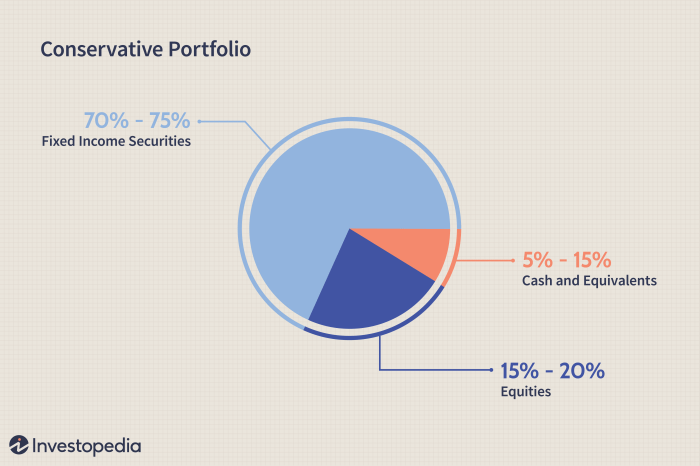
Asset allocation is a crucial strategy in building an investment portfolio as it involves dividing your investments among different asset classes. By diversifying your investments across various types of assets, you can potentially reduce risk and optimize returns based on your financial goals and risk tolerance.
Types of Asset Classes
- Stocks: Investing in shares of publicly traded companies represents ownership in a business and can offer potential capital appreciation.
- Bonds: Fixed-income securities issued by governments or corporations provide regular interest payments and return of principal at maturity.
- Real Estate: Investing in properties or real estate investment trusts (REITs) can provide rental income and potential appreciation in property value.
Factors for Optimal Asset Allocation
- Risk Tolerance: Consider your ability to withstand fluctuations in the market and align your asset allocation with your risk tolerance.
- Time Horizon: Determine your investment time horizon, whether short-term or long-term, to guide your allocation decisions.
- Financial Goals: Define your financial objectives, such as saving for retirement, education, or wealth accumulation, to tailor your asset allocation strategy.
- Market Conditions: Evaluate current economic conditions, interest rates, and market trends to adjust your asset allocation accordingly.
DIVERSIFICATION
Diversification is a strategy used by investors to spread their investment portfolio across different asset classes, industries, and geographic regions. This approach aims to reduce risk by not putting all eggs in one basket.When investors diversify their portfolio, they allocate their investments to a mix of assets such as stocks, bonds, real estate, and commodities. This helps in minimizing the impact of market fluctuations on the overall portfolio value.
Benefits of Diversifying an Investment Portfolio
- Diversification helps in reducing the overall risk of the portfolio by spreading investments across different asset classes.
- It can provide a more stable return over time, as different assets may perform well under varying market conditions.
- By diversifying, investors can potentially enhance their risk-adjusted returns and achieve a balance between risk and reward.
How Diversification Minimizes Risk for Investors
- When one asset underperforms, other assets in the portfolio may offset the losses, reducing the overall impact on the investor’s wealth.
- By diversifying, investors can avoid putting all their money in a single investment that may be subject to specific risks or market volatilities.
- Diversification helps in spreading risk and reducing the correlation among assets, which can lead to a more stable and predictable investment performance.
RISK MANAGEMENT
Risk management plays a crucial role in the process of asset allocation for investors. It involves identifying, assessing, and mitigating potential risks to protect investments and achieve financial goals effectively.
Importance of Risk Management
Effective risk management is essential to safeguard investments from unexpected events that could lead to financial losses. By implementing risk management strategies, investors can minimize the impact of market volatility and uncertainties.
Different Risk Management Strategies
- Diversification: Spreading investments across different asset classes to reduce concentration risk.
- Asset Allocation: Allocating assets based on risk tolerance and investment goals to manage risk exposure.
- Stop-loss Orders: Setting predetermined sell points to limit losses in case of market downturns.
- Hedging: Using financial instruments like options or futures to offset potential losses in a portfolio.
Risk Tolerance and Asset Allocation
Risk tolerance refers to an investor’s willingness and ability to withstand fluctuations in the value of their investments. It plays a crucial role in determining the appropriate asset allocation strategy. Investors with a higher risk tolerance may opt for a more aggressive investment approach, while those with lower risk tolerance may choose a more conservative strategy.
STRATEGIC VS. TACTICAL ASSET ALLOCATION
When it comes to asset allocation, investors often have to decide between strategic and tactical approaches.
Strategic Asset Allocation
Strategic asset allocation involves setting a long-term target mix of assets based on an investor’s risk tolerance, financial goals, and time horizon. This approach typically involves diversifying investments across different asset classes such as stocks, bonds, and real estate, and then periodically rebalancing the portfolio to maintain the desired allocation.
- Advantages of Strategic Asset Allocation:
- Provides a disciplined and consistent investment strategy.
- Helps investors stay focused on long-term goals and avoid emotional decision-making during market fluctuations.
- Reduces the impact of short-term market volatility on overall portfolio performance.
- Disadvantages of Strategic Asset Allocation:
- May limit the ability to take advantage of short-term market opportunities.
- Could result in missed opportunities for higher returns in certain market conditions.
Example: A conservative investor nearing retirement may opt for a strategic asset allocation with a higher allocation to bonds for income stability and capital preservation.
Tactical Asset Allocation
Tactical asset allocation involves making short-term adjustments to a portfolio based on market conditions, economic outlook, or specific investment opportunities. This approach allows investors to take advantage of market trends or undervalued assets to potentially enhance returns.
- Advantages of Tactical Asset Allocation:
- Offers flexibility to capitalize on short-term market inefficiencies.
- Can potentially enhance returns during periods of market volatility or changing economic conditions.
- Disadvantages of Tactical Asset Allocation:
- Requires active monitoring and may lead to higher transaction costs.
- Timing the market correctly can be challenging and may result in subpar returns.
Example: An experienced investor with a high risk tolerance may use tactical asset allocation to overweight certain sectors or regions based on their market outlook and research.
In conclusion, Optimal asset allocation for investors is a critical aspect of investment success, offering a roadmap to navigate the uncertainties of financial markets with confidence. By embracing diversification, managing risks effectively, and aligning asset allocation strategies with investment objectives, investors can enhance their portfolio performance and achieve long-term financial goals.
FAQ Compilation
How do I determine the optimal asset allocation for my investment portfolio?
Consider factors like your investment goals, risk tolerance, time horizon, and market conditions to create a diversified portfolio that aligns with your financial objectives.
What are the advantages of diversifying an investment portfolio?
Diversification helps spread risk across different asset classes, reducing the impact of volatility and potential losses on your overall investment portfolio.
What is the difference between strategic and tactical asset allocation?
Strategic asset allocation involves setting a long-term plan based on predefined asset allocation percentages, while tactical asset allocation involves making short-term adjustments based on market conditions and investment opportunities.


